Teen Anxiety: When It Is More Than Normal Stress
TEEN COUNSELING | ANXIETY
Your teen says their stomach hurts before school again. Or they stay up half the night, scrolling and worrying. Maybe they snap over small things, or they melt down after a day of holding it together. They might say “I’m fine” so often that the words have stopped meaning anything.
Teenagers have plenty to be stressed about, so it can be hard to tell when something has gone beyond the usual. Parents often wonder whether to wait and see, or reach out for help.
As a therapist in New York State, I work with anxiety constantly, and our team sees teens age 15 and up. Here is how to tell normal stress from anxiety that could use support, and what helps.
Stress and Anxiety Are Not the Same Thing
Stress is a response to something specific. A test, a game, a tough conversation. It usually fades once the situation passes.
Anxiety is worry that lingers. It can show up even without a clear trigger, and it tends to feel bigger than the situation.
Both are normal in moderation. A little nervousness can sharpen focus. Trouble comes when it takes over.
Anxiety can build quietly. A teen who is masking well may look fine until it spills over.
Signs of Anxiety in Teens
Teen anxiety does not always look like worry. It can look like irritability, avoidance, or physical complaints.
Frequent physical symptoms. Stomachaches, headaches, nausea, muscle tension, or feeling shaky, with no clear medical cause.
Sleep problems. Trouble falling asleep, waking in the night, or seeming exhausted.
Irritability or anger. Snapping at family over little things.
Avoidance. Skipping school, activities, social events, or things they used to do.
Perfectionism. Intense pressure over grades, performance or appearance.
Constant reassurance-seeking. Asking “Are you sure?” or needing frequent check-ins.
Panic. Sudden waves of fear, a pounding heart, or feeling like they cannot breathe.
Trouble concentrating. A mind too busy with worry to focus on tasks.
Changes in appetite. Eating more or less than usual.
Pulling away. Spending more time alone or being less open with family.
What Might Be Behind It
Academic pressure. Grades, tests, and college planning.
Social worries. Friendships, belonging, dating and fear of being judged.
Social media. Constant comparison and nonstop contact.
Family stress. Conflict, money worries, moves, or illness.
Big transitions. New school, changing friendships, or leaving home.
World events. News about the environment, violence, or uncertainty about the future can weigh on teens.
Temperament and biology. Some teens are naturally more sensitive. Anxiety can also run in families.
Past experiences. Losses or frightening events can leave a mark.
The Questions You’re Probably Asking Yourself
“Is this just a phase?”
Teen moods do shift. If the worry has lasted for weeks, is hard to settle, or interferes with school, sleep, or friendships, it deserves attention.
“Should I push them to talk?”
Pressure often leads to shutdown. Try offering low-key moments instead, such as car rides, walks, or late-evening chats, and let them know you are available.
“Will therapy make it worse?”
Quality therapy gives teens tools to handle worry and a safe place to talk. Most teens feel relief when they find that they are not alone.
“Should I let them skip what makes them anxious?”
Occasional breaks are fine. Regular avoidance tends to make anxiety stronger over time. A therapist can help you and your teen find a balance with gradual steps.
“What if they say it is nothing?”
That is common. Sometimes teens do not have the words. Keep the door open and consider a consultation anyway.
How You Can Help at Home
Listen without rushing to fix. “That sounds really stressful” can mean more than a solution.
Validate their feelings. You do not have to agree that something is a catastrophe to acknowledge that it feels like one.
Keep routines steady. Predictable sleep, meals and downtime support a nervous system on edge.
Model calm coping. Let your teen see how you handle your own stress.
Limit late-night screens. Sleep affects anxiety directly.
Praise effort. Notice when they try hard things, regardless of the outcome.
Look after yourself. A calmer parent helps a teen stay calm.
What Teen Anxiety Counseling Looks Like
We start with getting to know your teen. I want to understand what they enjoy, what is hard, and how they see things.
We explain what anxiety is. Understanding the body’s alarm system removes some of the fear.
We teach coping skills. Breathing, grounding, thought-checking and strategies for tests, social situations and sleep.
We practice facing fears gradually. Small, manageable steps rebuild confidence.
We explore the root causes. Perfectionism, social pressure, family stress or past experiences.
We involve parents appropriately. I give guidance on how to support your teen while respecting their privacy.
We celebrate progress. Small wins matter.
When to Seek Help Sooner
Anxiety is keeping your teen out of school.
Panic attacks are happening.
Sleep or eating has changed significantly.
They are withdrawing from friends and activities.
You see signs of self-harm, or hear talk of hopelessness. Please take this seriously. Call or text 988, the Suicide and Crisis Lifeline, at any hour, or go to the nearest emergency room.
What I Tell Parents
I tell parents that anxiety is common and treatable, and that noticing it is a sign of attentiveness, not failure.
I also say that your calm presence matters more than perfect words. Staying steady while your teen is upset sends a powerful message of safety.
What I Tell Teens
I tell teens that anxiety means your brain is trying to protect you, and that it sometimes works too hard. You can learn to turn the volume down.
I also say that you do not have to do it alone, and that asking for help is smart. I am here to work with you.
How Therapy at Convenient Counseling Services Can Help
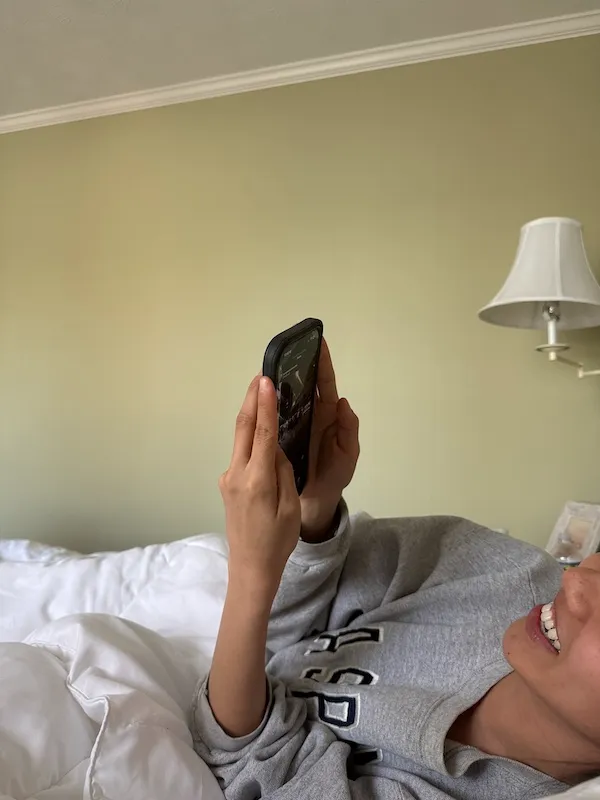
At Convenient Counseling Services, we offer anxiety counseling for teens 15 and up, delivered by telehealth across New York State. Your teen can meet with us from home, in a space that feels comfortable and private. Together we will build coping skills, ease the worry, and help your teen feel more confident.
About Convenient Counseling Services
We have a team of dedicated therapists who have a variety of specialties and availability. Providing telehealth virtually across New York State, our team of therapists are ready to meet you where you are at and walk alongside you in your therapy journey.
If you are wondering whether your teen could use support, we are happy to talk it through. Contact us today to schedule a consultation.