Fear Me Not
Do you fear?
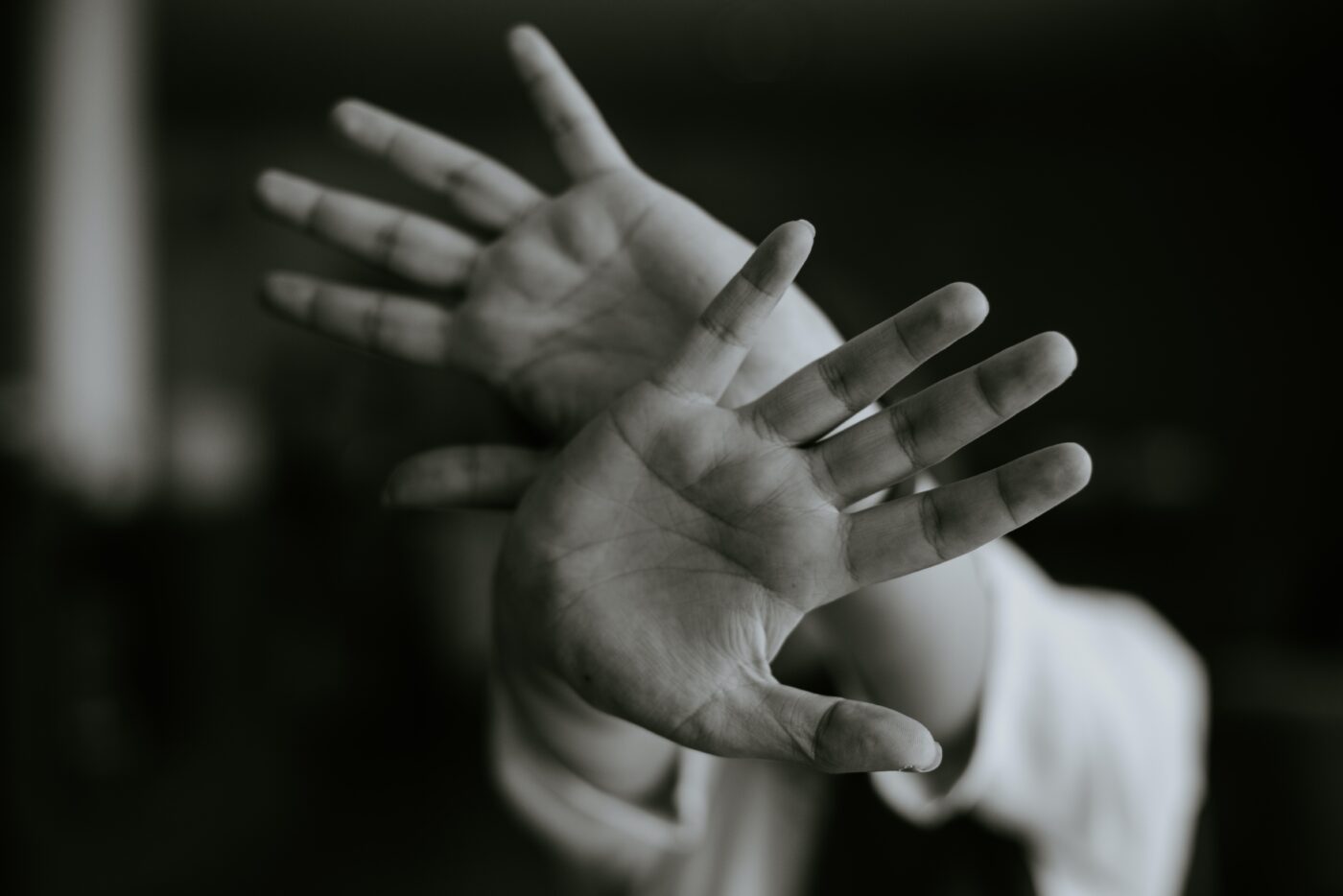
Fear is so much more than being scared when you watch a scary movie or maybe you fear something like spiders, water, fire or being alone.
What is fear?
Fear is an unpleasant emotion caused by the belief that someone or something that is dangerous, will likely cause pain, or cause a threat, but does not necessarily happen.
But why do we fear?
We fear because our biological drive to survive is what causes fear.
When human beings are confronted by stressful or potentially dangerous situations, our eyes and ears will send the information to the amygdala, the area of our brain that helps us process emotions.
What happens when there is no danger and you still fear?
Have you ever heard of Fight or Flight?
The fight-or-flight response (also known as the acute stress response), refers to a physiological reaction that occurs when we are in the presence of something that is mentally or physically terrifying.
The fight-or-flight response is triggered by the release of hormones that prepare your body to either stay and deal with a threat or to run away to safety.
The term “fight-or-flight” represents the choices that our ancient ancestors had when faced with danger in their environment.
They could either fight or flee.
In either case, the physiological and psychological response to stress prepares the body to react to the danger.
Taken from verywellmind .com, I found what happens during the Fight-or-Flight response;
In the response to acute stress, the body’s sympathetic nervous system is activated by the sudden release of hormones. The sympathetic nervous system then stimulates the adrenal glands, triggering the release of catecholamines (including adrenaline and noradrenaline). This chain of reactions results in an increase in heart rate, blood pressure, and breathing rate.
After the threat is gone, it takes us between 20 to 60 minutes for the body to return to its pre-arousal levels or back to feeling normal.
You can probably think of a time when you experienced the fight-or-flight response.
When faced with something frightening, you can feel your heartbeat quicken, you may start breathing faster, and your entire body becomes tense and ready to take action.
This is a chain reaction that stimulates anxiety. When your mind over reacts and you start to believe fears you start fighting with yourself and your mind.
Living in fear
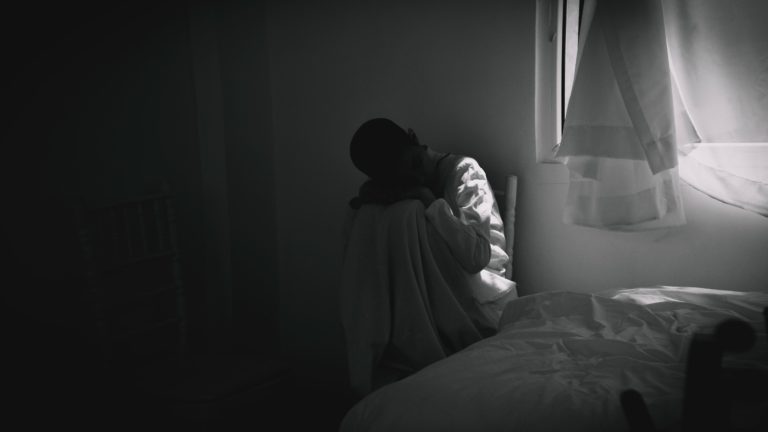
Do you live in constant fear?
Believing you could die at any point, scared of diseases and illness.
Worrying something bad could happen or always looking over your shoulder?
Maybe you’re scared to try new things or have a hard time meeting new people.
You’re not the only one.
Approximately 15.5 million adults, that is 7.1% of our adult population have a phobia of some sort pertaining to fear.
Here are a few signs you may be living in fear…
- You are a perfectionist. If you strive to make sure that everything is
perfect - Not taking risks. Living in fear means you won’t take as many risks
either - Procrastination
- You are controlling as well. People who latch onto control are usually
the sacred ones - Inability to speak up
How do we fix fear..
I feel everything that always has to do with the mind and body we resort back to yoga and meditation.
Meditation is a friend of faith.
It teaches us to be present in the here and now.
This focus teaches us to differentiate between making change and fate.
Inside enlightened states, there is no fear. There is nothing but our being and our connection with the world. Meditation clears our minds so we can understand what’s most important.
When you can distinguish what is causing fear in your life, you can start managing life without FEAR.
This post was written by Lauren K., and published by Convenient Counseling Services.
Live in New York and want to learn more about working with us? Check us out here!
Check out more content like this here.