
Black Lives + Mental Health
African Americans have endured systemic racism, oppression, scientific bias, and historical trauma.
Throughout centuries, this minority group has endured terrible and unjust treatment.
Which is why many avoid seeing healthcare providers.
African Americans no longer trust providers when it comes to their wellbeing.
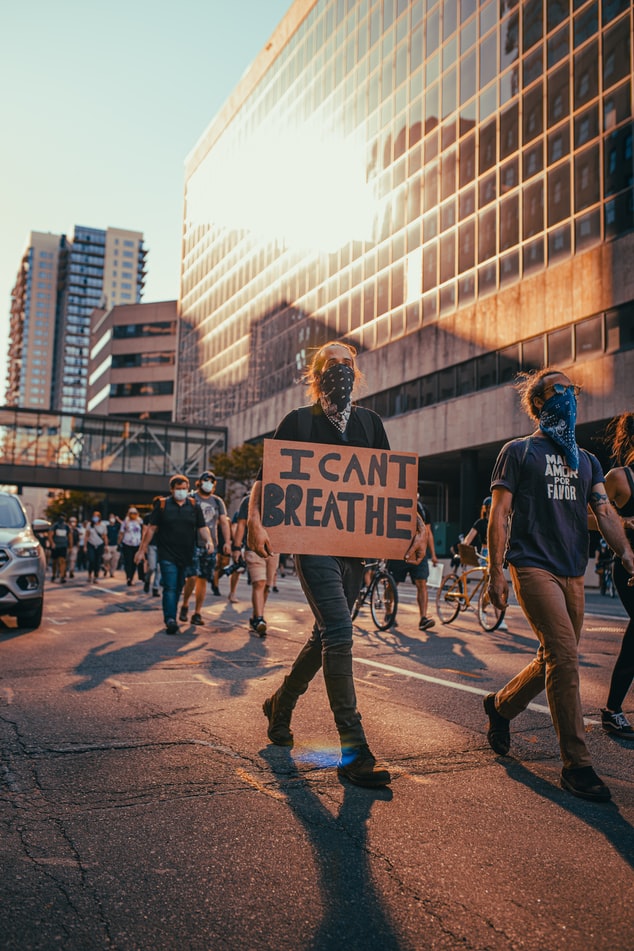
The Black Lives Matter movement started in 2013 and it was meant to raise awareness for racial inequality.
There have been many controversies about this movement.
For one many believed that this movement was meant to devalue the lives of other communities.
Nonetheless there have been numerous protests around the country in support of the Black community.
Why should we care?
According to the Mental Health Of America Organization,
“16%(4.8 million) of Black and African American people reported having a mental illness, and 22.4 percent of those (1.1 million people) reported a serious mental illness over the past year(MHA, 2023)”
African Americans are more susceptible to certain medical illnesses due to the lack of care. As a minority group they are often exposed to discrimination within the healthcare system.
When treating someone of color, you have to remember that mental health is extremely stigmatized in the Black community.
Barriers
The National Alliance on Mental Illness reports the following as barriers when treating African Americans;
(1) socioeconomic disparities
(2) Stigma
(3) provider bias
(4) inequality of care (NAMI, 2023)”.
Many healthcare treatments are too expensive and are not covered by health insurance.
Stigma plays a large role in seeking proper healthcare.
For example, Black men see therapy as a sign of weakness because they represent strength.
Meaning that they do not discuss matters of health to “strangers”.
In this case counselors are seen as strangers and it can take time to establish rapport.
Best Practices
The American Psychiatric Association recommends the following when treating someone of color;
| Best Practices:
Starks, S. (2023). Working with African American/black patients. Psychiatry.org – Working with African American/Black Patients. https://www.psychiatry.org/psychiatrists/diversity/education/best-practice-highlights/working-with-african-american-patients |
|
|
|
|
|
|
Therapy provides a pathway for clients to express any frustrations that they are currently facing.
It is important to advocate for our clients and understand their perspective on life.
We as counselors are taught to block personal bias and to establish a therapeutic relationship with our clients.
When treating African Americans, we should make an effort to understand their identity and values.
The Black Lives Matter Movement raised awareness about racial injustice.
Protests around the country fighting for equality.
Not only that but for those who lost their lives through police brutality.
This movement was not meant to discourage other minority groups but rather educate the community on current racial issues.
At this time, the Black community has endured centuries of historical trauma and it is time that their frustrations.
This post was written by Jasmine P., and published by Convenient Counseling Services.
Live in New York and want to learn more about working with us? Check us out here!
Check out more content like this here.
Reference
Starks, S. (2023). Working with African American/black patients. Psychiatry.org – Working with African American/Black Patients. https://www.psychiatry.org/psychiatrists/diversity/education/best-practice-highlights/working-with-african-american-patients
Mental Health America Inc. (2023). Black and African American communities and Mental Health. Mental Health America. https://www.mhanational.org/issues/black-and-african-american-communities-and-mental-health
National Alliance on Mental Illness. (2023). Black/African american. NAMI. https://nami.org/Your-Journey/Identity-and-Cultural-Dimensions/Black-African-American